


World economy
2025-02-13
Powell: Trump’s Calls for Rate Cuts Won’t Influence Fed Decisions

Recently, tensions have escalated between U.S. President Donald Trump and Federal Reserve Chairman Jerome Powell regarding interest rate policies and the American economy. This conflict continues previous disputes between the two, with Trump pushing for interest rate cuts to stimulate economic growth, while Powell prefers a more conservative approach focusing on combating inflation and maintaining economic stability.
Background of Tensions Between Trump and Powell
Since assuming the role of Federal Reserve Chairman in 2018, Jerome Powell has faced repeated criticisms from President Trump, who appointed him. These criticisms have centered on interest rate policies, with Trump believing that rate cuts would boost economic growth and employment. In contrast, Powell believes that maintaining stable or increasing interest rates when necessary is the best way to control inflation and ensure sustainable economic growth.
Trump's Calls for Interest Rate Cuts
In February 2025, President Trump called on the Federal Reserve to cut interest rates in conjunction with imposing new tariffs on imports. He indicated that this reduction is necessary to address the economic challenges arising from these tariffs. He also blamed the previous administration's policies for rising inflation rates, asserting that lowering interest rates would stimulate the economy and reduce borrowing costs for individuals and businesses.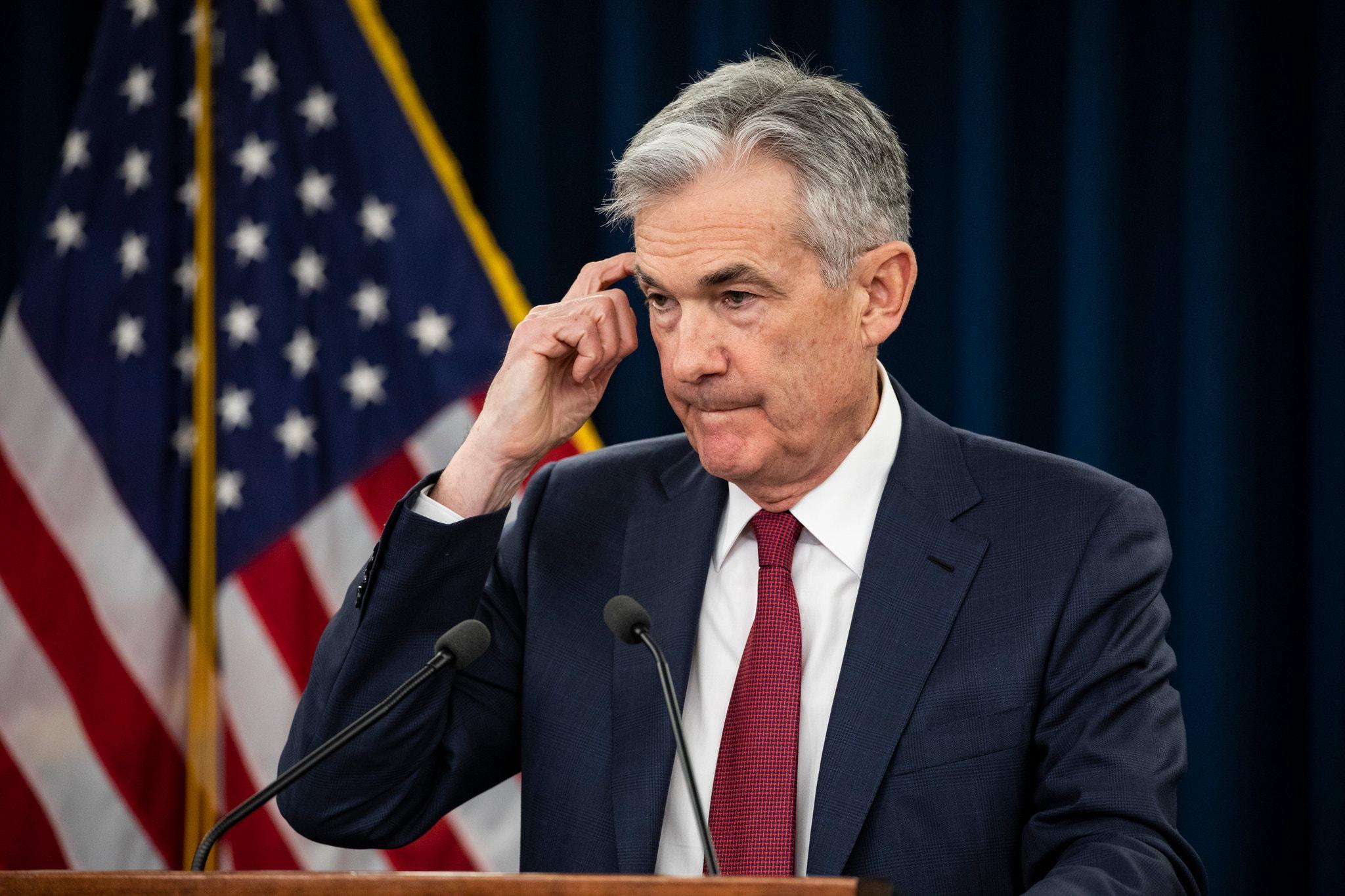
Jerome Powell’s Response and the Federal Reserve’s Position
In his testimony before Congress, Jerome Powell affirmed that the President’s calls for interest rate cuts would not influence the Federal Reserve’s decisions. He pointed out that inflation remains above the 2% target and that the labor market continues to show signs of strength and stability. Powell further emphasized that monetary policy will remain tight for the time being to curb demand and control inflation, with future decisions based strictly on available economic data.
The Independence of the Federal Reserve and Potential Challenges
Powell has consistently stressed the importance of the Federal Reserve’s independence in making policy decisions free from political pressure. He has previously stated that he would not resign even if the President requested it, highlighting that the President does not have the authority to fire him. This stance underscores Powell’s commitment to maintaining the integrity of the central bank and ensuring that decisions are based on economic analysis rather than political considerations.
Impact of Tensions on Financial Markets
These tensions between the White House and the Federal Reserve have contributed to uncertainty in financial markets. While investors seek clear signals regarding future monetary policy, such conflicts can lead to market volatility and affect investor confidence. Additionally, these disputes may impact corporate decisions on investment and hiring, which could have a negative effect on economic growth.
Future Economic Challenges
With these tensions ongoing, the U.S. economy faces multiple challenges. On one hand, lowering interest rates could stimulate short-term economic growth, but it may also increase the risk of inflation in the long run. On the other hand, maintaining high interest rates could help curb inflation but may slow economic expansion and raise borrowing costs. Policymakers must carefully balance these factors and make well-informed decisions based on available economic data.
Conclusion
The tensions between President Trump and Federal Reserve Chairman Jerome Powell highlight fundamental differences in how monetary policy should be managed in the U.S. While Trump advocates for policies that drive rapid economic growth, Powell prioritizes price stability and inflation control. As these tensions persist, the biggest challenge remains finding a balance that ensures sustainable economic growth while maintaining financial stability.

Sources:
- Powell: Trump’s Calls for Rate Cuts Won’t Influence Fed Decisions – Argaam (argaam.com)
- Trump Calls for Interest Rate Cuts to Counter New Tariffs on Imports – Al-Quds Al-Arabi (alquds.co.uk)
- Powell: Trump’s Rate Cut Requests Won’t Affect Federal Reserve Policy – Detafour (detafour.com)