


World economy
2025-07-01

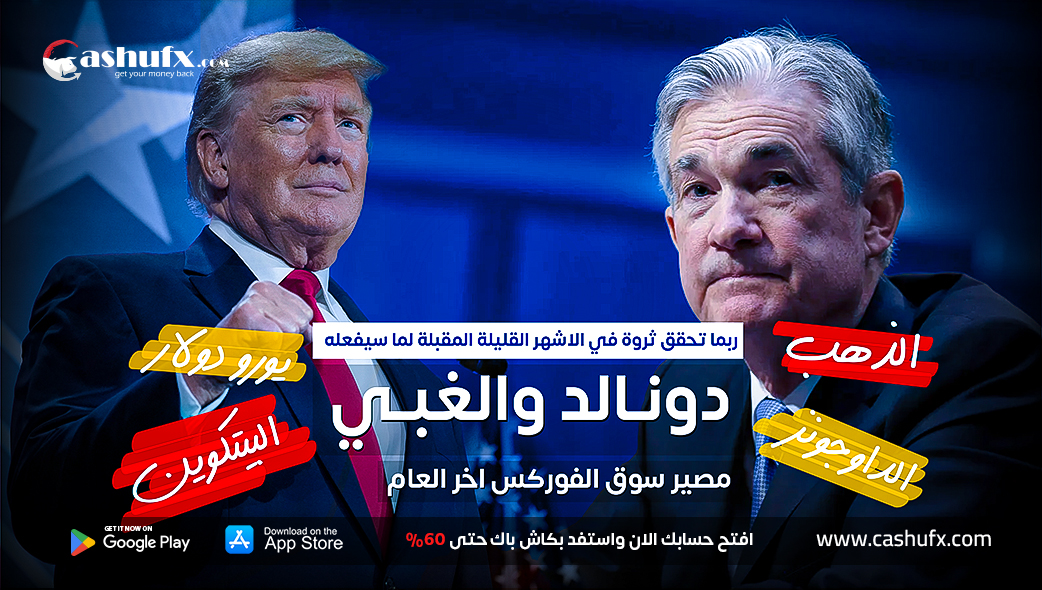
Economic Challenges Facing Jerome Powell: Interest Rates, Trump Pressure, and Market Outlook
Introduction
In a volatile economic environment shaped by rising tariffs, persistent inflation, and political pressure, Jerome Powell, Chairman of the U.S. Federal Reserve, finds himself at the center of complex monetary policy challenges. Appointed in February 2018, Powell's tenure has been defined by navigating rate hikes, trade wars, and a post-COVID economy. This article explores the difficulties Powell faces, analyzes inflation and interest rate trends, and examines the impact on gold and key market indicators.
1. Historical Context: Policy Before Powell
When Powell succeeded Janet Yellen in 2018, the Federal Reserve was already pursuing a path of quantitative tightening and gradual rate increases. The goal was to stabilize inflation and normalize balance sheets post-2008 crisis. Powell continued this course, prompting criticism from then-President Donald Trump, who pushed for lower interest rates.
2. Current Challenges: Tariffs and Inflation
2.1. Trump’s Pressure
Trump's imposition of broad tariffs raised import costs, adding pressure to consumer prices. He criticized Powell harshly, accusing him of slowing economic growth and costing the U.S. "billions." At one point, Trump even suggested removing Powell, though legally he could not.
2.2. Powell's Cautious Stance
Powell responded to pressure by emphasizing the need for clarity and data before acting. He warned that inflation driven by tariffs could be long-lasting, and maintained interest rates at 4.25–4.5% across multiple meetings, signaling a wait-and-see approach.
3. Internal Division at the Fed
While Powell remains cautious, some Fed members favor earlier rate cuts. Governors like Waller and Bowman support easing by July, citing temporary inflation from tariffs. Others argue inflation remains stubbornly high, with PCE inflation around 2.3% and core PCE near 2.6%.
4. Interest Rate Projections
The latest Summary of Economic Projections (SEP) indicates two rate cuts expected in 2025, followed by additional cuts in 2026 and 2027. The median forecast for end-2025 is 3.9%. However, persistent inflation and trade uncertainty may delay action until late 2025.
5. Inflation Outlook
The Fed forecasts headline inflation at 3.0% through 2025, with core inflation hovering near 3.1%. This suggests rates may remain elevated well into 2026, reinforcing Powell’s cautious approach.
6. Gold Market Impact
6.1. Historical and Recent Trends
Gold prices surged to $3,397/oz following recent rate holds, reflecting investor anxiety and safe-haven demand. The first half of 2025 saw a 40% increase in gold value, driven by declining dollar strength and market volatility.
6.2. Future Outlook
Bank of America predicts gold may reach $4,000/oz by late 2025. Analysts expect a short-term range of $3,300–$3,400, with a possible breakout if rate cuts begin in September.
7. Key Trading Indicators
7.1. Dollar Index (DXY)
A strong dollar may suppress gold prices, but dovish Fed signals could weaken the dollar, lifting commodities.
7.2. Treasury Yields
Higher yields compete with gold, reducing its appeal. Continued inflation fears support higher yields.
7.3. Inflation Data
Traders watch CPI and PCE readings closely. If inflation remains above 2%, the Fed may maintain higher rates longer.
7.4. Geopolitical and Trade Risks
Tensions in the Middle East or new tariffs could boost inflation and support gold, while de-escalation might ease pressure.
8. Future Scenarios
Scenario A: Delayed Cuts
If inflation holds above 3%, the Fed may delay cuts until Q4 2025, favoring a strong dollar and high yields.
Scenario B: September Cuts
Should inflation ease to 2.5%, cuts may begin in September, driving gold above $3,500 and lifting risk assets.
Scenario C: Inflation Surprise
If core inflation unexpectedly spikes, markets could react with panic, favoring gold and safe-haven assets.
Conclusion
Jerome Powell stands at the crossroads of political tension, economic uncertainty, and inflationary pressure. With Trump's vocal criticisms, market volatility, and policy division within the Fed, Powell must balance caution and action. The outlook for rates, inflation, and gold remains highly data-dependent, but the consensus suggests a modest rate reduction in late 2025 as the most likely outcome.
Jerome Powell, Federal Reserve, U.S. interest rates, inflation forecast, gold prices 2025, Donald Trump and Powell, rate cut outlook, trading indicators, Fed monetary policy.

📚 Sources
-
Reuters, MarketWatch, Bloomberg
-
Axios, CBS News, Fox Business
-
SchiffGold, NationalGoldGroup
-
U.S. Federal Reserve Reports
-
Economic Times India
-
Bank of America Market Outlook